Content Design in the Era of GenAI: Why the Human Touch Still Wins
.jpg)
There is no denying that AI technology is moving at a breakneck pace. The development cycle is so aggressive that today’s breakthrough is often tomorrow’s legacy tech.
Tools like ChatGPT and Midjourney have democratized content creation. It’s a shift similar to when high-quality cameras first appeared in every pocket: suddenly, everyone was a "photographer." But having the gear is not the same as mastering the craft. This is where the content designer becomes indispensable.
In an era of instant, automated output, some might argue that content design is becoming obsolete. In reality, the opposite is true. Here is why human designers remain the "secret sauce" in the age of GenAI.

1. The inherent limits of machine learning
AI excels at processing datasets and identifying patterns, but it fundamentally lacks an understanding of the "why." It operates without lived experience.
Content designers are not just writers; we are architects of experience. We analyze the user’s journey, their emotional state, and their underlying objectives. While AI can churn out a hundred taglines in seconds, it cannot discern which one will resonate on a visceral level. It can't tell the difference between a truly helpful insight and digital noise. We provide the critical thinking that AI lacks, asking the essential questions: Is this clear? Is it inclusive? Does it solve a human problem?

2. Empathy over imitation
The cornerstone of content design is empathy. We advocate for the user by navigating their frustrations, anxieties, and needs. This connection is what makes content stick.
AI can mimic a specific tone, but it cannot feel it. It misses the nuance of a brand’s personality and the subtle shifts required for high-stakes situations. A designer knows exactly when to be brief and when to be descriptive. We use language to build genuine trust, something an algorithm can only simulate.
3. Taste as a competitive advantage
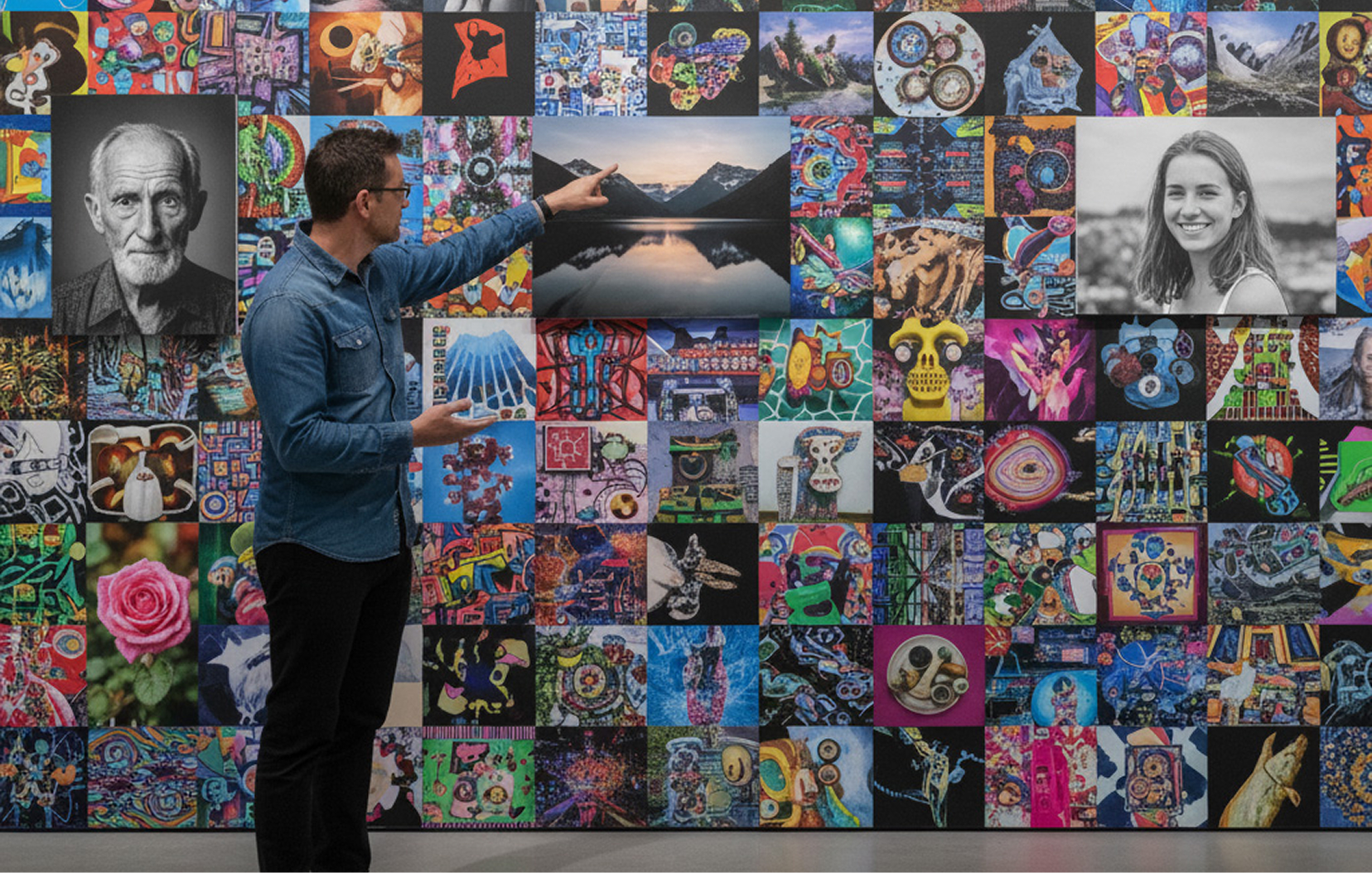
When anyone can generate content, "taste" becomes the ultimate differentiator. A prompt can produce an image or a paragraph, but it takes a seasoned professional to know if it’s actually well. Taste is a byproduct of years of exposure to design, art, and culture.
Content designers act as the guardians of a brand’s aesthetic and intellectual standards. In a sea of generic, AI-generated output, a human sense of style is what makes a brand feel authentic rather than automated.
4. Context is everything
AI frequently hallucinates or fails because it lacks situational awareness. It might produce something technically correct but tonally disastrous. Content designers, however, manage the entire ecosystem. We know exactly where a message will appear, who will see it, and what they are doing at that moment. This context is what transforms raw information into effective communication.
5. Augmentation, not replacement
AI isn’t a replacement for designers; it’s a high-powered utility. Think of it as a new lens for a photographer or a new synthesizer for a musician.
By offloading tedious tasks or using AI for rapid-fire brainstorming, we free ourselves to focus on high-level strategy and creative problem-solving. The future isn't a battle between humans and machines; it’s about leveraging these tools to produce more personalized and impactful work than ever before.

6. Navigating the "AI Slop"
The rise of "AI slop," low-quality, generic content that clogs feeds and search results, is a growing problem. As the internet becomes saturated with this filler, the human voice becomes a vital compass.
Content designers ensure that what we put into the world is intentional and meaningful. We cut through the automated clutter to provide real value. While AI can generate volume, it cannot provide heart. We are the ones who keep the digital world human, one word at a time.
Conclusion:
The future of content design is not under threat; it is being redefined. Don't just use the new tools—master them without losing sight of the craft. Your perspective and your empathy are your actual superpowers.
The age of GenAI isn't the end of our profession; it’s a chance to strip away the busywork and focus on what truly matters.



More related topics

Data & AI Solutions: Customer Portal & AI Chatbot
Over the past three years, Pilatus and PRODYNA have fostered a strong bond that extends beyond ordinary vendor-customer relations. Read more about the data & AI solutions created for the only Swiss company that develops, produces, and sells aircraft to customers around the world.
Read More
5 Business Benefits for Containers in Cloud Computing
One technology that has emerged as a game-changer in cloud computing is containerization. By leveraging tools like Docker and Kubernetes, businesses can harness the power of containers to streamline their application deployment processes.
Read More
How to Use GitHub Copilot: An AI Coding Assistant (Demo)
In this article, we will guide you through the features and advantages of GitHub Copilot, an innovative AI-powered coding assistant, by showcasing a coding demo. As users of GitHub Enterprise and GitHub Advanced Security, we have firsthand experience utilizing this AI coding assistant, which has prompted us to share our insights and expertise.
Read More